Streamers and Voice Actors Boycott New Gacha Game Amid AI Controversy
Neverness to Everness Faces AI Controversy After Launch as Streamers and Voice Actor Distance Themselves
Meta Description: Neverness to Everness is facing backlash after players accused the gacha open-world game of using generative AI assets, leading streamers and a voice actor to speak out.
Neverness to Everness launched with the kind of style that can quickly attract gacha game fans. It has colorful anime-inspired characters, a supernatural open world, flashy combat, modern city exploration, and even realistic cars that players can drive through its urban setting. On the surface, it looks like another ambitious open-world gacha game built to compete for attention in a crowded market.
But shortly after launch, the conversation around the game changed dramatically. Instead of focusing only on gameplay, characters, and world design, players began raising concerns that some assets in Neverness to Everness may have been created or altered using generative AI.
The situation has now grown into a major controversy. Several players have pointed to visual oddities in the game that they believe show signs of AI-generated content. Popular streamers have backed away from promoting the game, and at least one English voice actor who worked on the project has publicly criticized the possible use of generative AI.
For a new gacha title trying to build trust with players, creators, and artists, this is a serious problem. In 2026, AI use in games is no longer just a technical topic. It is also an ethical issue, especially when creative work, sponsorship transparency, and artist rights are involved.
What Is Neverness to Everness?
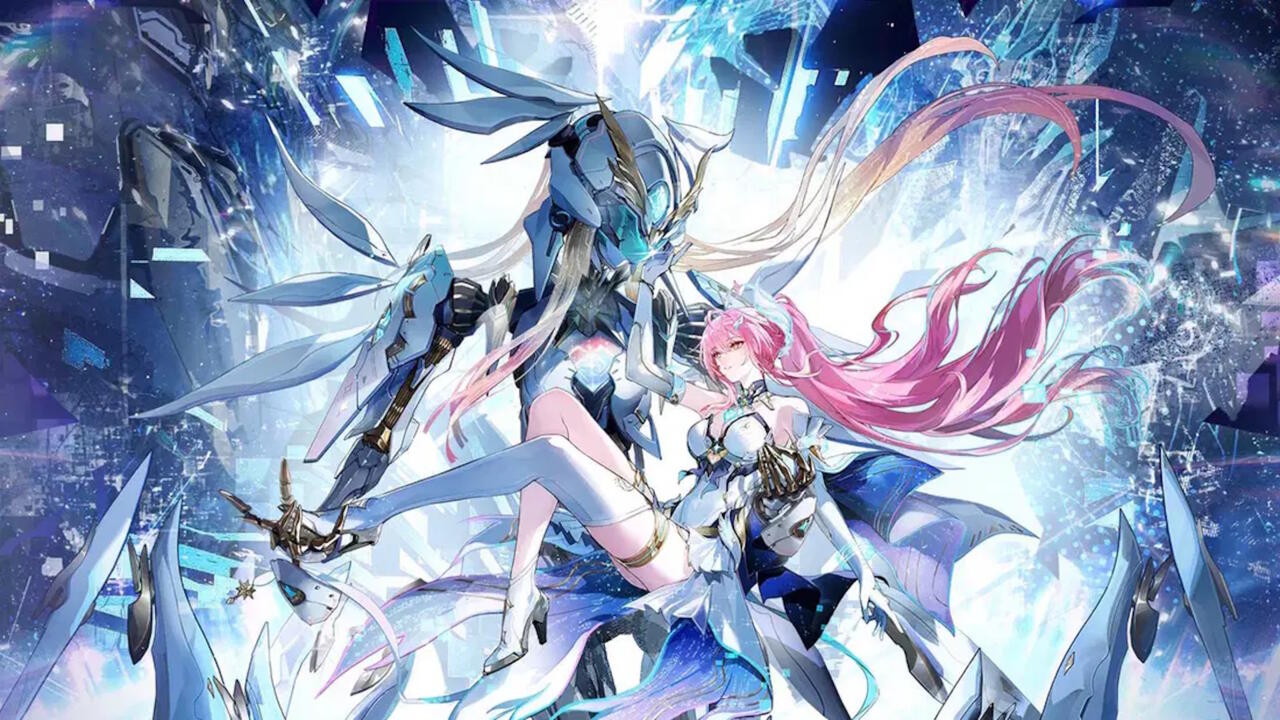
Neverness to Everness is an open-world supernatural gacha game from Hotta Studio. The game combines anime-style characters, urban fantasy, exploration, combat, and modern city life. It is the type of game that naturally appeals to fans of character-collection RPGs, stylish action games, and open-world anime experiences.
Before the controversy, much of the attention around Neverness to Everness came from its presentation. The game shows players a strange city filled with supernatural activity, attractive character models, and detailed environments. It also includes drivable vehicles, which help separate it from many other anime-style gacha games that focus mostly on walking, gliding, or teleporting around the world.
That strong first impression helped the game gain attention from players and content creators. However, after launch, some fans began looking more closely at the game’s assets. That is when the AI accusations started spreading.
Why Players Are Accusing Neverness to Everness of Using AI
The controversy centers on claims that certain in-game visuals appear to show signs commonly associated with generative AI. Players have pointed to unusual distortions, inconsistent details, and images that seem to change in ways that do not look like normal hand-made game assets.
One of the most discussed examples involves a character model where parts of the outfit appear to shift or change after the character’s hand blocks a portion of the design. Players described this as possible “artifacting,” a term often used when AI-generated images contain strange visual errors, warped details, or inconsistent patterns.
In another example, some players claim that a billboard inside the game appears to include imagery resembling scenes from the anime film Weathering With You, but with a filtered or altered look. Critics argue that the image may have been processed through an AI tool or used as part of an AI-generated advertisement-style asset.
A third claim alleges that Neverness to Everness includes an 18-minute anime short film inside a theater area, and that the short may have been made with generative AI. This particular claim has added even more fuel to the backlash, because a long-form animated asset would raise bigger questions about how much AI-generated material may be present in the game.
It is important to note that these are accusations and observations from players and creators. The larger issue is not only whether AI was used, but whether players, streamers, artists, and voice actors were properly informed about it.
Why Generative AI in Games Is So Controversial
Generative AI has become one of the most divisive topics in the gaming industry. Some developers see AI tools as a way to speed up production, create placeholder assets, assist with NPC dialogue, or reduce repetitive work. But many artists, writers, voice actors, and players worry that AI systems can be trained on creative work without permission and then used to replace human labor.
That concern is especially strong in anime-style games. These games rely heavily on illustration, character design, animation, music, voice acting, and world-building. Fans often support them because they appreciate the work of artists and creators. If players believe a studio is using AI-generated content without being transparent, the backlash can be intense.
For gacha games, trust is even more important. These games often ask players to spend money on characters, cosmetics, banners, passes, and long-term progression. If the community feels misled, it can damage the game’s reputation quickly.
Ironmouse Drops Her Sponsorship
One of the biggest names connected to the controversy is Ironmouse, a popular VTuber and streamer. She had been sponsored by Hotta Studio to promote Neverness to Everness, but after the AI accusations spread online, she said she was told there was no AI in the game.
According to her statement, her team had asked about AI use and were told that the game did not use AI. After seeing the claims online, she said she felt misled and decided to drop the sponsorship. She also stopped streaming the game.
This matters because sponsored streams depend on trust. When a creator promotes a game to their audience, viewers often assume the creator has been given accurate information by the company. If the company denies AI use and then evidence appears to suggest otherwise, the creator can feel placed in a difficult position.
For Ironmouse, the issue was not just the possible use of AI. It was the claim that her team had been assured AI was not involved. That makes the controversy about transparency as much as technology.
Shylily Ends Stream Early After AI Claims Surface
Another VTuber, Shylily, also reacted strongly after learning about the AI accusations while streaming Neverness to Everness. She ended her stream early so she could look into the claims before continuing to promote the game.
Her reaction highlights why this topic matters so much to many VTubers and online creators. VTubers often work closely with artists, riggers, designers, illustrators, animators, and other creative professionals. Their avatars, branding, overlays, merchandise, and content style are usually built through human creative labor.
Because of that, many VTubers are especially sensitive to the use of generative AI in creative fields. For them, the issue is not just whether AI can make an image. The bigger concern is whether AI systems are built from the unpaid work of artists and then used by companies to save money or increase profits.
Shylily’s decision to stop the stream showed that creators do not want to risk promoting a game before understanding how its assets were made. In the current online environment, audiences expect creators to take these concerns seriously.
A Voice Actor Speaks Out Against AI Use
The backlash has also reached the voice acting side of the project. English voice actor Meggie-Elise, who worked on Neverness to Everness, released a statement criticizing the possible use of generative AI in the game.
She made it clear that she does not support generative AI in creative fields, including voice acting, art, writing, and music. She also said that if the issue is not addressed and removed, she will not continue working with the team.
This is a major point because voice actors have been among the most vocal critics of AI use in entertainment. Many performers worry that AI voice tools could copy, imitate, or replace human voices without fair consent, compensation, or control.
Even if the current Neverness to Everness controversy is focused mostly on visual assets, the broader concern affects every creative role. If a studio is accused of using AI in one area, artists and performers may begin questioning how transparent the studio is across the entire production.
Why This Backlash Is a Big Problem for Hotta Studio
For Hotta Studio, the timing of this controversy is especially damaging. A new gacha game needs a strong launch window. The first few weeks are crucial for building a player base, attracting streamers, generating social media buzz, and convincing players to invest time or money.
Instead of only discussing gameplay, characters, banners, and open-world features, the community is now debating whether the game used AI-generated assets and whether creators were misled. That can quickly overshadow the actual game.
In a genre where players already compare new releases to established titles, reputation matters. If Neverness to Everness becomes known primarily for an AI controversy, it may be harder for the game to recover, even if some players enjoy the gameplay.
The situation also puts sponsored creators in a difficult position. Streamers and VTubers often rely on sponsorships, but they also need to protect their relationship with their audience. If a game becomes controversial, creators may choose to walk away rather than risk losing community trust.
The Bigger Debate Around AI in Video Games
Neverness to Everness is not the only game to face criticism over possible or confirmed AI use. The gaming industry has been debating AI-generated voices, AI-assisted art, procedural tools, automated writing, and synthetic assets for years.
Some players are less concerned when AI is used for minor background work, internal testing, or placeholder material. Others strongly oppose generative AI in any creative field, especially when the final product is sold for profit.
The most serious concerns usually come down to three questions:
- Was AI used in the final game?
- Were the artists, performers, creators, and players informed?
- Was the AI trained on creative work without permission?
When a company is not transparent, the conversation becomes more hostile. Players may assume the worst, creators may pull support, and developers may be forced to respond publicly. That is exactly the kind of situation now surrounding Neverness to Everness.
Can Neverness to Everness Recover?
Whether Neverness to Everness can recover from this controversy depends on how Hotta Studio responds. The studio may need to clearly explain whether generative AI was used, where it was used, and whether any disputed assets will be removed or replaced.
A vague statement may not be enough. Because streamers and a voice actor have already spoken out, the community is likely expecting a direct answer. If the studio can prove that the accusations are wrong, it may be able to reduce the backlash. If AI was used, then transparency and corrective action will be important.
For some players, the controversy may not affect whether they play the game. But for others, especially artists, VTuber fans, voice actor supporters, and players who strongly oppose generative AI, this may be enough to avoid the game entirely.
Final Thoughts
Neverness to Everness had the ingredients of a major gacha launch: anime-style characters, a supernatural open world, stylish city exploration, and a strong visual hook. But the game is now facing serious criticism after players accused it of using generative AI assets.
The backlash has already caused major creators to distance themselves from the game. Ironmouse dropped her sponsorship, Shylily ended her stream early to investigate the claims, and voice actor Meggie-Elise publicly criticized the possible use of AI in the project.
The controversy shows how sensitive the gaming community has become to generative AI, especially in creative-heavy genres like anime gacha games. Players are not only asking whether a game is fun. They are also asking how it was made, who created its assets, and whether the studio was honest with the people promoting it.
For Hotta Studio, the next step is clear: the studio needs to address the situation directly. Until then, the conversation around Neverness to Everness may continue to focus less on its gameplay and more on the unresolved questions surrounding AI-generated content.