
Overwatch 2’s November 17 Turning Point: Reflecting on Season 7’s Legacy and Anticipating Future Horizons









Popular Now
 Free Fire Max
 CarX Street
 Garena Free Fire: Kalahari
 Brawl Stars
 Fall Guys
 Black Myth: Wukong
 Grand Theft Auto V
 Among Us
 R.E.P.O
Stumble Guys
R.E.P.O
Stumble Guys 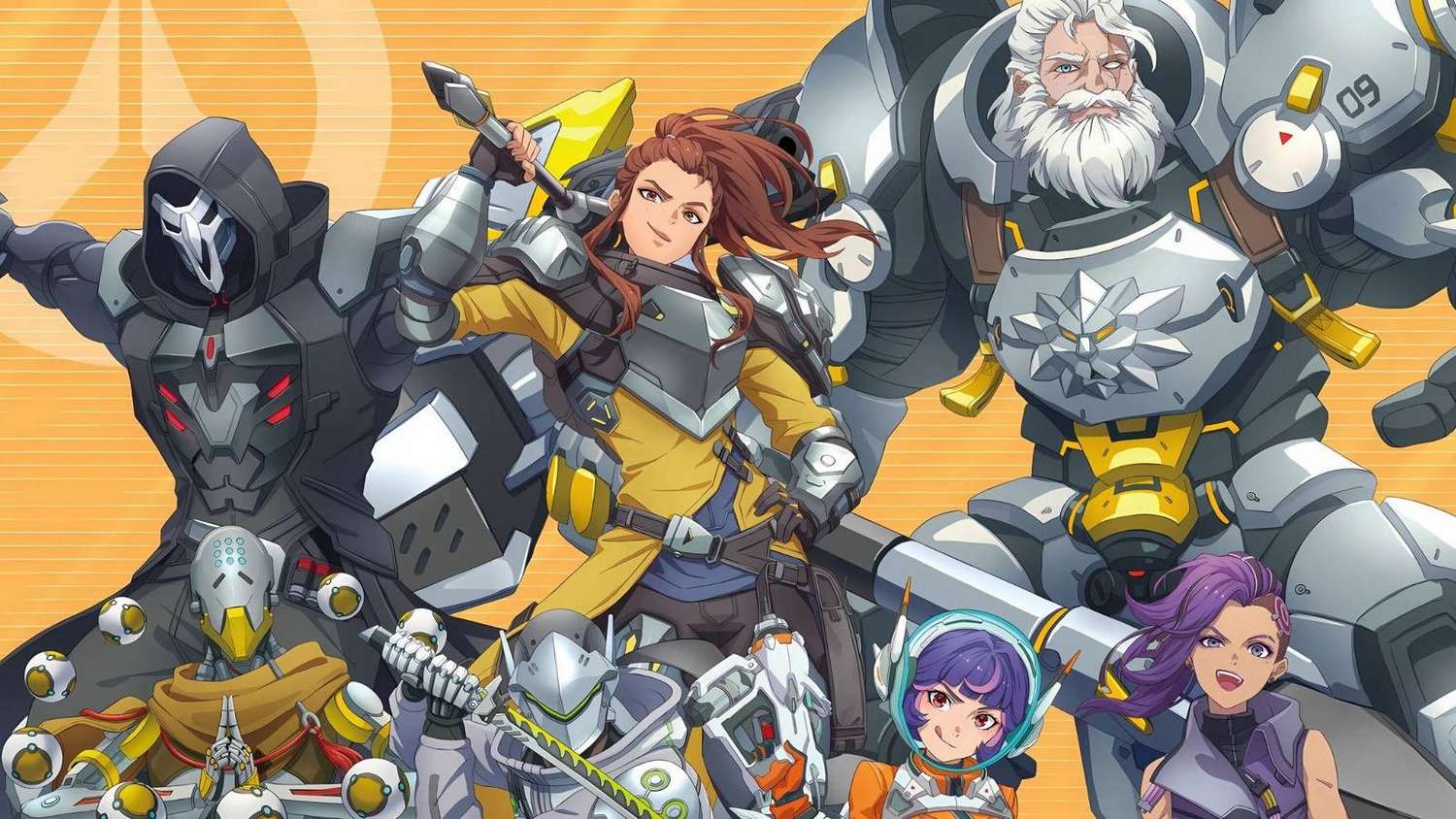
For dedicated followers of Blizzard Entertainment’s popular hero shooter, Overwatch 2, November 17, 2023, marked a subtle yet significant waypoint on the game’s ongoing content roadmap. While not the launch of a new season, this date fell within a crucial period for the live-service title – a juncture where the immediate past of Season 7: Rise of Darkness converged with mounting anticipation for the impending Season 8: Call of the Wild. This article delves into the state of Overwatch 2 around this pivotal date, dissecting the player experience, the competitive meta, and the ongoing discussions surrounding the game’s future direction, particularly regarding its free-to-play model and content delivery.
The landscape of Overwatch 2 is perpetually shifting, a characteristic of its live-service nature. Around November 17, players were deeply entrenched in Season 7, which had introduced a thematic Halloween event alongside the new Control map, Samoa. This period was characterized by a specific set of hero balances, a maturing battle pass progression, and the introduction of the ‘A Winter’s Blessing’ event, offering festive challenges and cosmetics. The overarching sentiment among the player base, however, often revolved around a blend of current engagement and future yearning. The developer insights provided during this time were crucial, guiding expectations and offering glimpses into what lay beyond the immediate horizon.
Season 7’s Climax and the Dawn of Season 8 Expectations
November 17 essentially positioned itself as the calm before the storm. Season 7 was winding down, its thematic elements fully explored, and the competitive ladder solidified. The game’s ecosystem during this time saw continued discussion around hero performance, especially following mid-season patches. Heroes like Mauga had been teased, generating considerable hype and speculation within the community regarding his potential impact on the tank role and the overall competitive meta. This anticipation for Season 8’s new hero and content was a dominant undercurrent, promising to inject fresh strategic depth and gameplay variety into the PvP experience.
- Hero Balance Adjustments: The period leading up to and including November 17 saw Blizzard refining hero kits to maintain a healthy and dynamic competitive environment. These adjustments, often influenced by high-level competitive play and community feedback, are vital for ensuring fair matches and preventing specific heroes from becoming overly dominant or obsolete.
- Event Engagement: The ‘A Winter’s Blessing’ event, alongside residual Halloween activities, provided unique challenges and cosmetic rewards, keeping player engagement high during the tail end of Season 7. These limited-time events are key components of Overwatch 2’s monetization strategy and player retention efforts.
- Anticipation for Mauga: The upcoming Season 8 was heavily centered around the introduction of Mauga, a new tank hero first revealed at BlizzCon. The community’s excitement for a new playable character, especially one with such a distinct design and rumored abilities, was palpable, offering a glimpse into future gameplay enhancements.
 The Persistent Conversation: Monetization and Player Value
 The Persistent Conversation: Monetization and Player Value
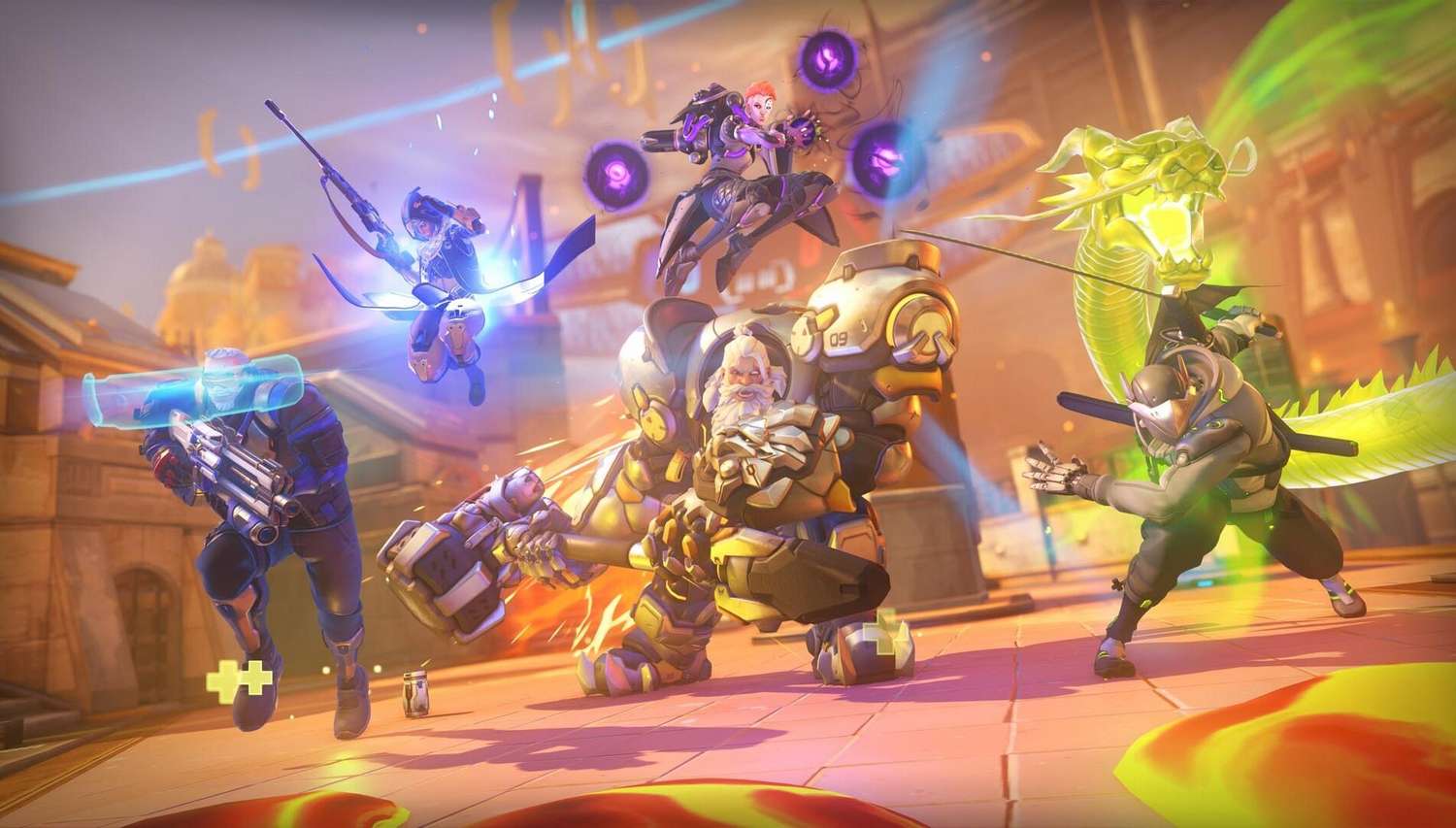
One of the most consistent and high-CPC discussions surrounding Overwatch 2 since its transition to a free-to-play model has been its monetization strategy. Around November 17, these conversations continued to be prominent. The battle pass, while offering a clear progression path for new cosmetics and in-game currency, often faced scrutiny regarding its perceived value proposition. Players consistently weighed the cost of premium battle passes and individual shop items against the content received, highlighting the delicate balance Blizzard must strike between profitability and player satisfaction.
The concept of ‘player experience’ extends far beyond just gameplay mechanics; it encompasses the entire journey, including how players acquire new content and feel about their investment. The debate around microtransactions, the pricing of skins, and the slower rate of earning Overwatch Coins in the free tier remained a key focal point. Blizzard’s approach to these elements directly influences player retention and the overall health of the game’s economy, making transparent communication and responsive adjustments absolutely critical for long-term success. Addressing these concerns directly and implementing player-friendly changes can significantly boost player morale and reinforce the game’s position in the highly competitive live-service market.
Competitive Play and the Ever-Evolving Meta
For those deeply invested in Overwatch 2’s competitive aspect, November 17 fell squarely within a period where strategies were refined, and the current meta was well-established. Teams were adapting to the latest hero balance changes, identifying optimal team compositions, and pushing the limits of individual skill. The esports scene, though distinct from the casual player base, often influences the strategies adopted by the wider community. Insights from professional play, streamed by top competitors and content creators, provided valuable tactical knowledge and inspiration.
The competitive ecosystem of Overwatch 2 thrives on constant evolution. Regular balance patches, map rotations, and the introduction of new heroes are all designed to prevent stagnation and encourage diverse strategies. Around November 17, players were perfecting their understanding of Season 7’s nuances, preparing for the inevitable shake-up that Season 8, particularly with the introduction of Mauga, would bring. This continuous cycle of adaptation is what keeps the competitive community engaged and ensures that Overwatch 2 remains a premier title in the esports arena.
The Long View: PvE, Developer Communication, and Future Content
 The Long View: PvE, Developer Communication, and Future Content
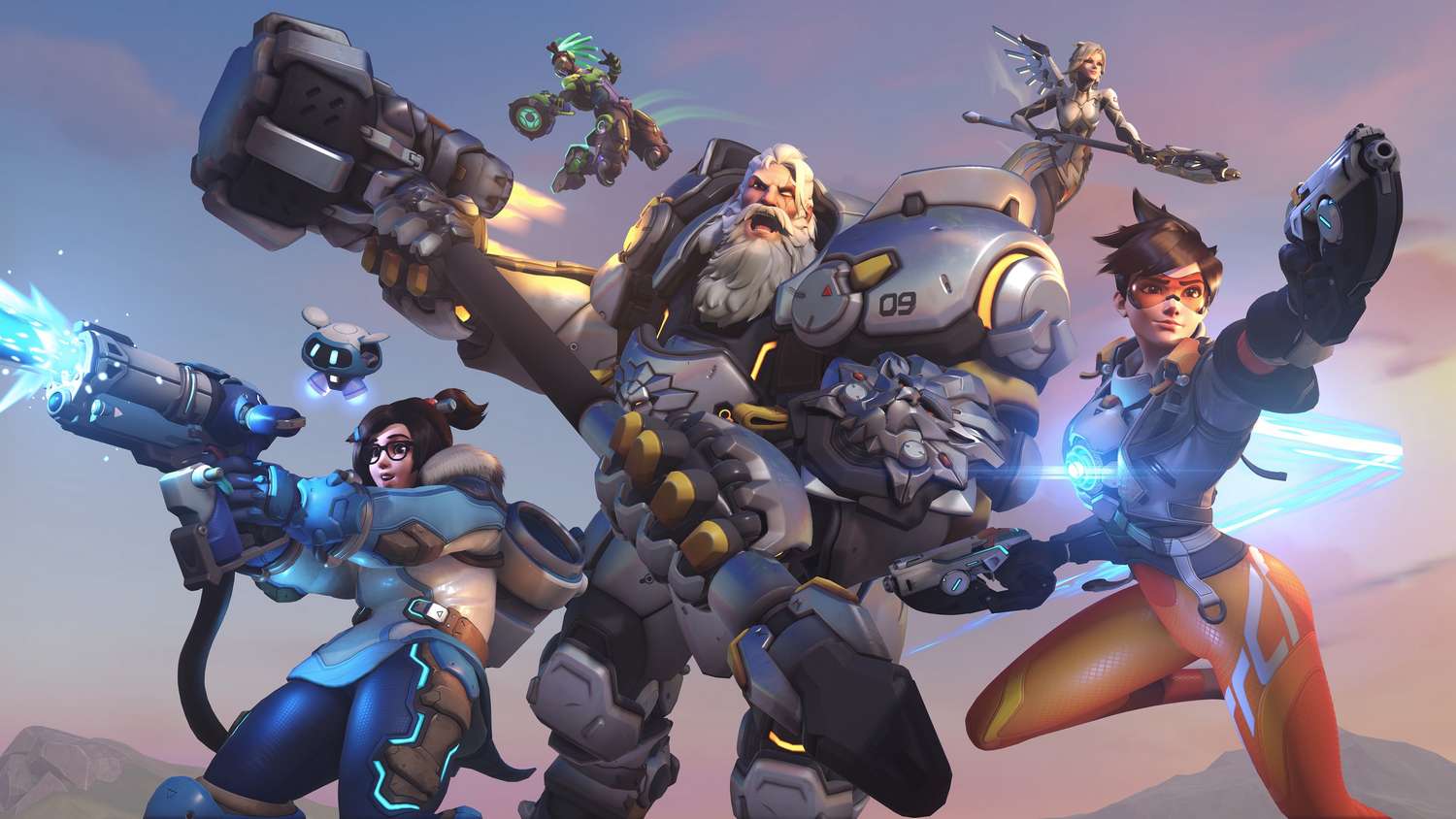
Beyond the immediate seasons, the longer-term vision for Overwatch 2, particularly the promised PvE content, continued to be a significant topic of discussion around November 17. Following the scaling back of the expansive PvE hero missions, players awaited concrete details on the revised PvE approach. Blizzard’s commitment to delivering engaging narrative experiences remains a core expectation for many fans, and updates on this front are always met with keen interest. The developer insights shared periodically during this time often sought to manage these expectations while building excitement for future story-driven content.
Maintaining an open and consistent line of communication with the player base is paramount for any live-service game. Around November 17, Blizzard continued its efforts to engage with the community through developer blogs, social media, and direct interactions. These channels are crucial for addressing feedback, clarifying design decisions, and outlining the game’s future trajectory. The successful navigation of community sentiment, especially concerning high-value features like PvE, directly contributes to the game’s long-term viability and player loyalty. As Overwatch 2 continues its journey, these touchpoints become increasingly vital for fostering a thriving and supportive player environment.
November 17: A Snapshot of Overwatch 2’s Dynamic Present and Promising Future
In retrospect, November 17, 2023, serves as a compelling timestamp in Overwatch 2’s continuous evolution. It represented a moment where the game was fully immersed in its current season while simultaneously building momentum towards significant future updates. The discussions surrounding hero balance, monetization, player engagement, and the eagerly anticipated Season 8 content all underscored the vibrant, albeit sometimes challenging, nature of a modern live-service game. For Overwatch 2 fans, this date was more than just another day on the calendar; it was a reflection point, acknowledging the game’s journey thus far and anticipating the exciting developments yet to come.
The ongoing commitment from Blizzard Entertainment to refine the game, introduce new heroes and maps, and enhance the overall player experience continues to shape Overwatch 2 into a formidable competitor in the online gaming space. The interplay of community feedback, developer insights, and strategic content releases will undoubtedly dictate the game’s trajectory for years to come, ensuring that its place in the competitive gaming landscape remains strong and dynamic.