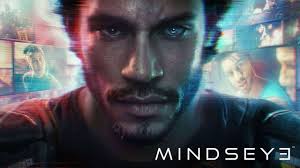
MindsEye Developer Build A Rocket Boy Faces Major Layoffs After Troubled Launch
Meta Description: MindsEye developer Build A Rocket Boy has reportedly suffered major layoffs after the game’s poor reception, workplace controversy, legal action, and ongoing efforts to repair one of 2025’s most criticized releases.
Build A Rocket Boy, the studio behind MindsEye, is reportedly facing another major round of layoffs after a difficult year marked by poor reviews, internal controversy, and public criticism from former employees. The latest cuts are said to affect a large portion of the studio, creating fresh uncertainty around the future of both the company and its ambitious action-adventure game.
The studio was once seen as one of the more interesting new names in AAA game development because it was founded by Leslie Benzies, a former Rockstar Games executive known for his work on the Grand Theft Auto franchise. That connection helped give MindsEye serious attention before launch. However, the game’s release did not meet expectations, and the aftermath has become one of the most dramatic industry stories surrounding a new studio.
A Major Layoff After a Difficult Launch
According to reports, Build A Rocket Boy has let go a significant number of employees in its latest round of layoffs. While the exact figure has not been officially confirmed, estimates suggest that roughly 170 staff members may be affected.
If that number is accurate, it would represent a major reduction for the studio. Before the layoffs, Build A Rocket Boy reportedly had around 250 employees. Losing about 170 people would leave the company with only a fraction of its previous workforce.
Several former or soon-to-be former employees have reportedly shared the news publicly through professional platforms and community channels. The layoffs follow earlier job cuts that happened after MindsEye’s poor reception, suggesting the studio has been under continuing financial and operational pressure.
Why MindsEye Had So Much Hype
Before launch, MindsEye attracted attention because of its connection to Leslie Benzies. As a former Rockstar veteran, Benzies was associated with some of the most influential open-world games ever made. Many players hoped that MindsEye would carry some of that same cinematic ambition, high production value, and blockbuster design philosophy.
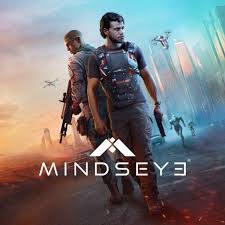
The game was marketed as a major action-adventure project with futuristic themes, intense storytelling, and high-end visuals. It had the kind of setup that could appeal to fans of open-world games, sci-fi shooters, story-driven action titles, and premium console experiences.
For players searching for best action games, AAA video games, gaming PC releases, PS5 games, Xbox Series X games, and video game deals, MindsEye was positioned as a title to watch. Unfortunately, launch reception quickly changed the conversation.
Poor Reviews Changed the Studio’s Momentum
MindsEye became one of the most criticized releases of 2025. Instead of being praised as a bold new franchise, it was widely discussed for technical issues, design problems, weak execution, and unmet expectations. Poor reviews damaged player confidence and created major pressure on Build A Rocket Boy soon after launch.
For a new studio, a rough debut can be especially damaging. Established publishers may survive a failed release because they have multiple franchises, large revenue streams, and deeper financial reserves. A newer studio built around one major project has far less room for error.
The negative reception also made it harder for MindsEye to build a long-term player base. In the modern gaming market, first impressions matter. Players have many alternatives, from subscription libraries and cloud gaming platforms to discounted older releases and free-to-play games. A full-price game with bad early word of mouth can struggle to recover even if updates arrive later.
Controversial Claims Added More Attention
The situation became even more unusual when Build A Rocket Boy co-CEO Mark Gerhard publicly suggested that the game’s problems may have been connected to a coordinated effort to harm MindsEye’s reputation or to corporate espionage.
Those claims drew strong reactions across the gaming community. Some players saw them as an attempt to explain away valid criticism, while others wanted more evidence before judging. Either way, the comments kept the studio in the spotlight for reasons beyond the game itself.
Later, Gerhard reportedly continued to repeat concerns about sabotage and even suggested that a future update could include characters inspired by former employees believed to be involved. That added another layer of controversy to an already difficult post-launch period.
Employee Concerns and Legal Action
The problems around Build A Rocket Boy have not been limited to the game’s reviews. Employees previously shared an open letter criticizing conditions at the studio, including allegations of intense crunch, poor communication, and lack of transparency.
Workplace concerns escalated further when the IWGB Game Workers Union began legal action on behalf of developers. The action reportedly accused Build A Rocket Boy of installing surveillance software on employee devices without proper knowledge or consent.
These claims have contributed to a broader discussion about labor conditions in the gaming industry. Layoffs, crunch, employee monitoring, unclear management decisions, and post-launch pressure have become recurring issues across both large publishers and smaller studios.
The Challenge of Fixing MindsEye
Build A Rocket Boy previously outlined plans to improve MindsEye through updates and patches. A post-launch roadmap can sometimes help a troubled game recover, especially if developers communicate clearly and deliver meaningful improvements.
However, large layoffs make that process much harder. Fixing a major game requires engineers, designers, artists, producers, QA testers, community managers, and support staff. If the team is drastically reduced, the studio may have fewer resources to address bugs, improve systems, add content, and rebuild trust.
Players may now wonder whether MindsEye can receive the long-term support it needs. A game with a damaged launch can recover, but recovery usually requires time, money, and a stable development team.
Why This Story Matters for the Gaming Industry
The Build A Rocket Boy situation reflects several larger issues in modern gaming. First, AAA development is extremely expensive and risky. A game can take years to build, require hundreds of employees, and still fail to connect with players at launch.
Second, studio branding and famous names can create hype, but they do not guarantee success. Leslie Benzies’ Rockstar history helped MindsEye attract attention, but players ultimately judged the game on quality, performance, and design.
Third, workplace culture matters. When employees publicly raise concerns about crunch, transparency, communication, or monitoring, it affects how the studio is perceived. Players increasingly pay attention not only to games but also to how those games are made.
Could MindsEye Still Recover?
It is possible for a poorly received game to improve over time. Several major games have launched badly and later recovered through patches, expansions, technical updates, and stronger communication. However, recovery is never guaranteed.
For MindsEye, the path forward depends on several factors. The studio must stabilize its workforce, deliver meaningful updates, address technical and gameplay complaints, and rebuild player trust. It also needs to communicate clearly without creating more controversy.
If Build A Rocket Boy can focus on fixing the game and supporting remaining developers, MindsEye may still find a smaller but dedicated audience. If the studio continues to face layoffs and internal conflict, the game’s future may become much harder to secure.
What Players Should Know Before Buying MindsEye
Players interested in MindsEye should be cautious and research the current state of the game before purchasing. Check recent reviews, patch notes, player feedback, and platform performance. If the game receives major discounts, it may become more appealing to curious players, but expectations should be realistic.
For anyone watching PS5 game deals, Xbox Series X discounts, gaming PC sales, cloud gaming, game subscription services, and video game deals, MindsEye may eventually be worth considering at a lower price. But for now, the studio’s uncertain future makes it important to wait for clearer updates.
Final Thoughts
The reported layoffs at Build A Rocket Boy mark another difficult chapter for the studio behind MindsEye. What began as a highly anticipated project from a former Rockstar leader has become a cautionary tale about AAA ambition, poor launch reception, workplace controversy, and the difficulty of recovering from early failure.
MindsEye may still receive updates and improvements, but the reported loss of a large number of employees raises serious questions about the game’s future. For the remaining team, the challenge is enormous: stabilize development, repair player trust, and prove that the project can still grow beyond its troubled launch.
For the wider gaming industry, this story is another reminder that even high-profile projects with experienced leadership can struggle when execution, communication, and workplace trust break down. MindsEye’s future now depends not only on patches and roadmaps, but on whether Build A Rocket Boy can rebuild itself from the inside.