
Death Stranding 2’s Futuristic Exoskeletons: Bridging Sci-Fi Vision with Real-World Tech and Unpredictable Costs










Popular Now
 Free Fire
 Rust
Rust
 Free Fire Max
 Grand Theft Auto V
 NBA 2K24
 BeamNG.drive
 God of War Ragnarök
 Brawl Stars
 Minecraft
 Schedule I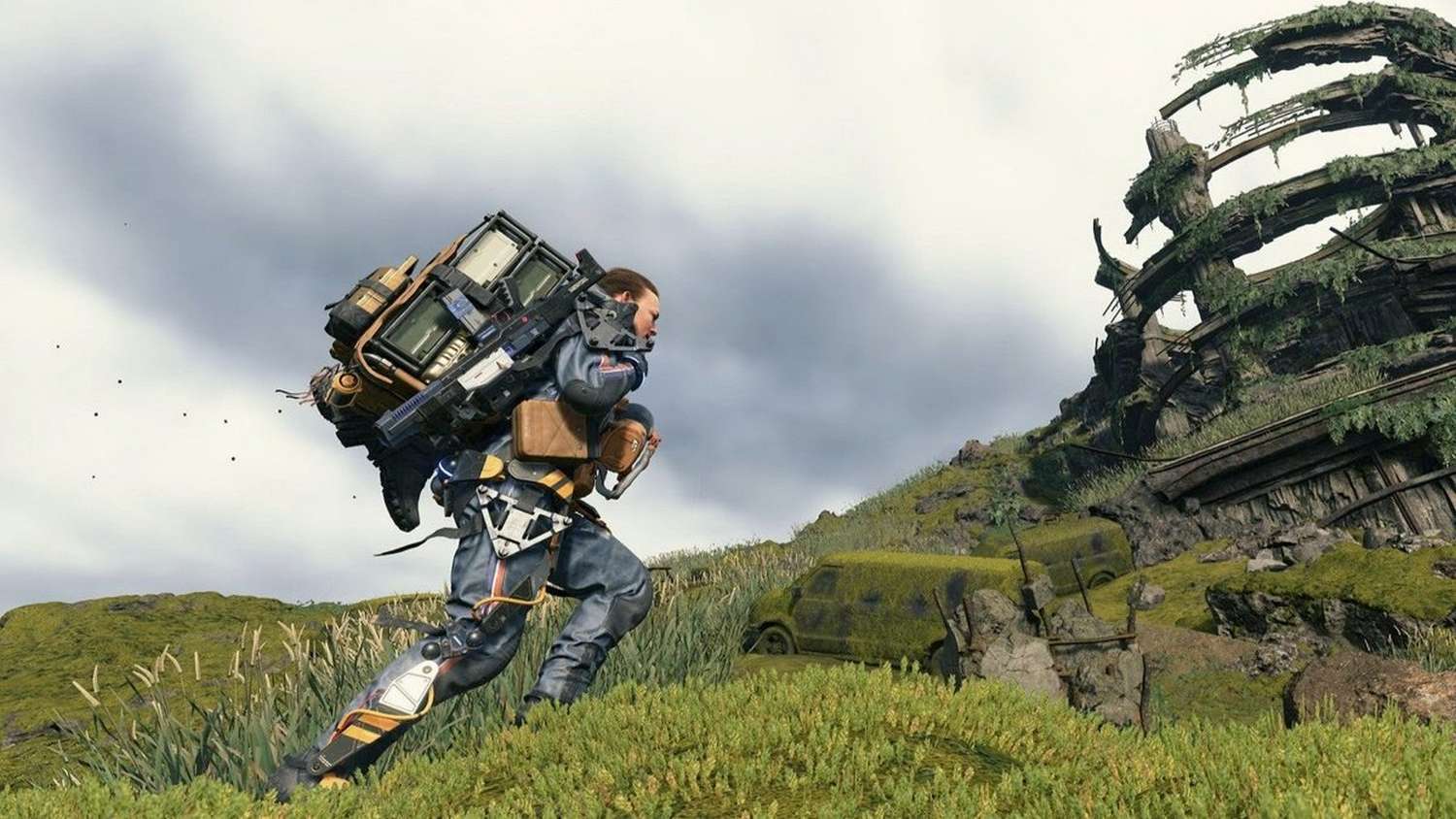
Death Stranding 2’s Futuristic Exoskeletons: Bridging Sci-Fi Vision with Real-World Tech and Unpredictable Costs
Hideo Kojima’s highly anticipated sequel, Death Stranding 2: On The Beach (DS2), promises to expand upon the unique gameplay mechanics and deeply philosophical narrative that defined its predecessor. At the heart of its innovative world-building are the advanced exoskeletons that empower porters like Sam Porter Bridges to traverse treacherous landscapes and deliver vital cargo. While these mechanical aids are central to the game’s immersive experience and strategic gameplay, the fascinating truth is that the concept of sophisticated wearable robotics is no longer confined to the realm of science fiction. Real-world advancements are rapidly making such ‘power suits’ a tangible reality, raising profound questions about their potential applications, market availability, and perhaps most intriguingly, their eventual cost to the consumer. This exploration delves into the seamless blend of DS2’s fictional future with the cutting-edge of current technological development, examining how the game’s vision aligns with nascent real-world innovations and the significant financial barriers that currently define this nascent industry.
The Core of DS2’s Gameplay: Exoskeletal Innovation
In Death Stranding 2, as in the original, players rely heavily on various exoskeletons to manage their daunting delivery tasks across a fragmented, post-apocalyptic America. These devices are not merely aesthetic enhancements; they are fundamental to the core gameplay loop, directly impacting mobility, cargo capacity, and combat effectiveness. Kojima Productions has consistently pushed boundaries in environmental traversal and player agency, and DS2 is expected to refine these systems further. The original game featured several specialized skeletons, and while details for DS2 are still unfolding, the emphasis on advanced mobility and cargo management through such gear is guaranteed to remain a cornerstone of the immersive gaming experience.
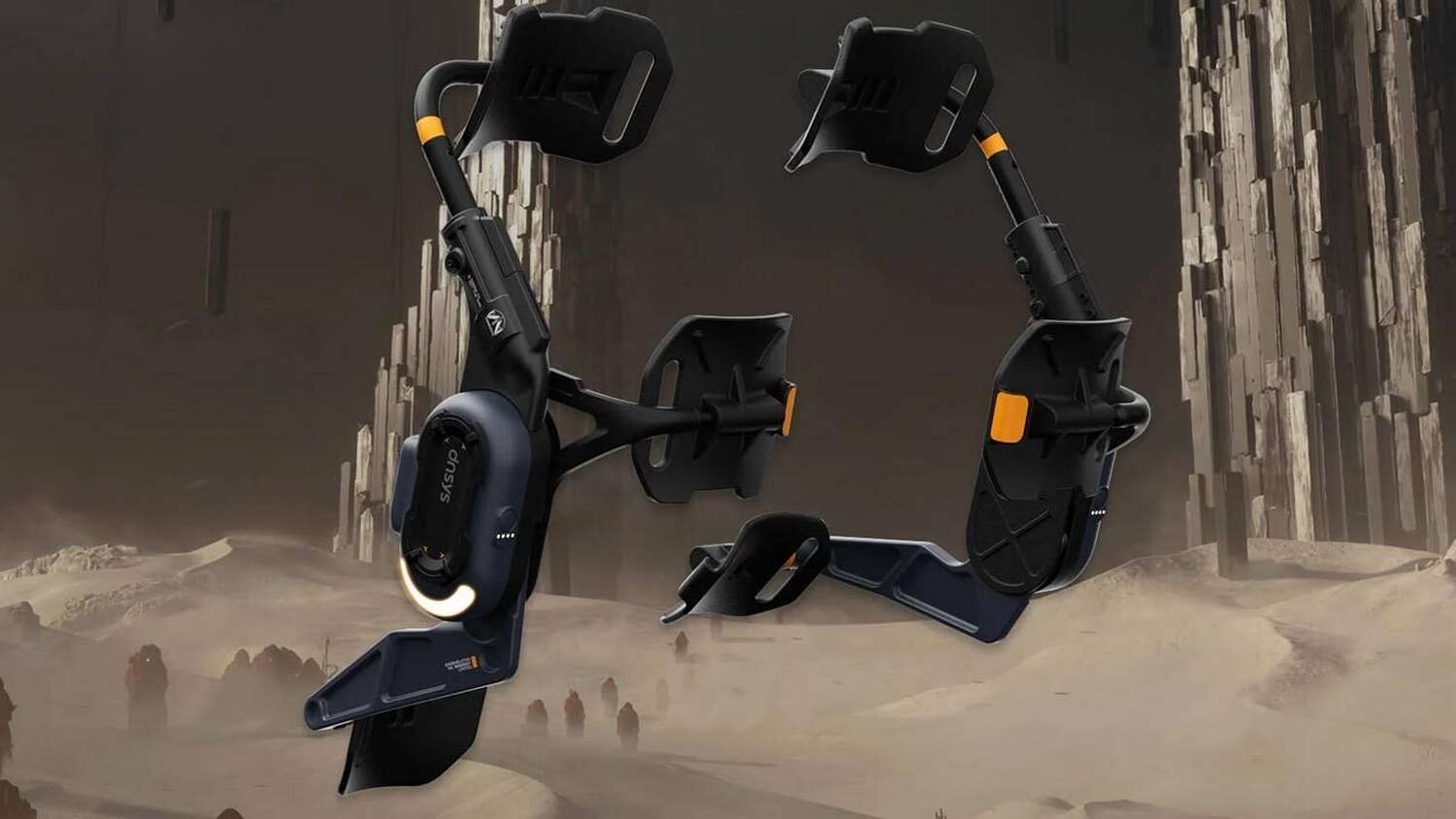
- Power Skeleton: Designed to significantly increase load-bearing capacity, allowing porters to carry enormous amounts of cargo. Essential for long expeditions and heavy deliveries. Its robust frame and hydraulic assistance are critical for maintaining balance and preventing package damage, a vital component of the delivery systems within the game.
- Speed Skeleton: Optimised for rapid traversal across open terrain, boosting the porter’s running speed and jump height. This skeleton is invaluable for quick deliveries or evading BTs, directly influencing strategic movement and player efficiency. Gamers often prioritize this for fast travel across less hazardous zones.
- All-Terrain Skeleton: Offering a balanced approach, this variant improves stability and traction over challenging ground, such as rocky slopes or muddy paths. It’s a versatile choice for unpredictable environments, enhancing physical endurance and making seemingly impossible routes navigable.
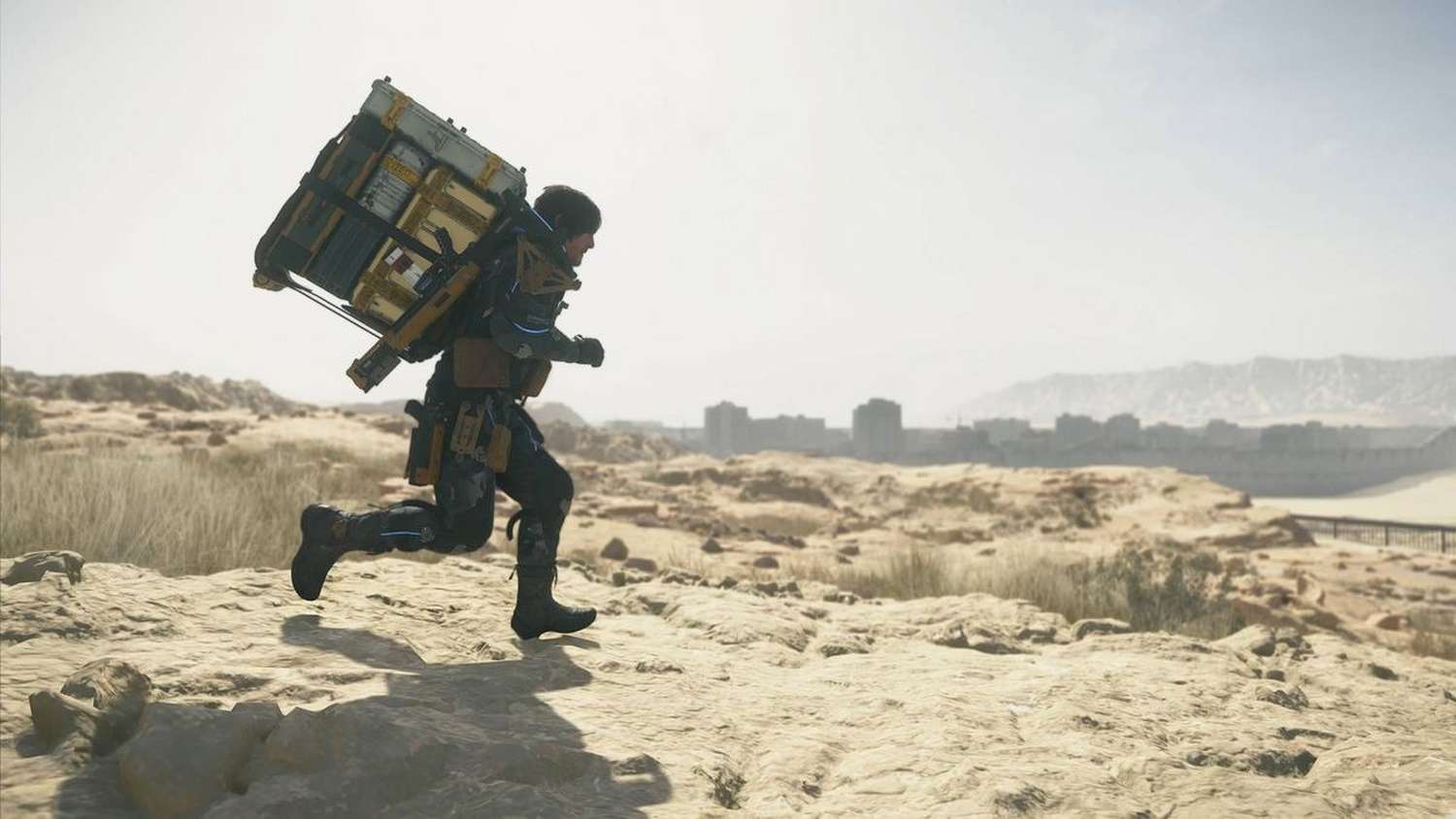
These in-game exoskeletons are marvels of fictional engineering, designed to enhance human capabilities and overcome environmental challenges. They are integral to Sam’s journey, making him a more effective courier and amplifying the player’s sense of connection to the fragmented world. The design philosophy behind them is to make impossible feats feel attainable, a true testament to Hideo Kojima’s vision for pushing the boundaries of interactive storytelling and gameplay mechanics.
From Screen to Reality: The Unfolding Promise of Real-World Wearable Robotics
While the advanced functionality seen in DS2 remains largely within the realm of science fiction, the fundamental concept of enhancing human physical capabilities with external robotic frameworks is very much a real-world technology. The past decade has seen exponential growth in the field of wearable technology and robotics, moving exoskeletons from laboratory prototypes to practical applications in various sectors. These aren’t just bulky machines; modern exoskeletons are becoming increasingly sophisticated, lightweight, and intuitive.
Currently, real-world exoskeletons serve critical roles across several industries:
- Medical Rehabilitation: Devices like the Ekso Bionics exoskeleton or Rewalk Robotics’ systems assist individuals with spinal cord injuries or strokes to regain mobility, enabling them to stand and walk again. These medical-grade exoskeletons are transformative, providing independence and improving quality of life for many.
- Industrial & Manufacturing: Companies such as Sarcos Robotics and Exosuit are developing exoskeletons to augment workers in physically demanding jobs. These industrial exoskeletons reduce fatigue, prevent injuries, and increase productivity by helping workers lift heavy objects or perform repetitive tasks with less strain. This directly addresses workplace safety and efficiency, making them a significant investment for corporations.
- Military & Defense: Though often shrouded in secrecy, military applications involve enhancing soldier endurance, carrying heavy gear in rugged terrain, and even providing protective capabilities. The idea of a soldier running faster or carrying more supplies echoes the very essence of the DS2 Power and Speed Skeletons, highlighting the practical parallels between gaming innovation and national defense initiatives.
The convergence of advanced materials science, powerful miniaturized computing, and artificial intelligence is driving this rapid evolution. Battery life, precise motion control, and user comfort are ongoing challenges, but breakthroughs are frequent, making the prospect of consumer-grade exoskeletons less of a distant dream and more of a near-future possibility, influenced in part by the aspirational designs seen in popular media like Death Stranding.
The High Price of Innovation: Estimating a DS2-Inspired Device
If a fully functional, Death Stranding 2-esque exoskeleton were to hit the consumer market today, what would its price tag look like? The reality is, it wouldn’t be cheap. The current landscape of real-world exoskeletons provides a stark benchmark for the development costs and market price of such cutting-edge technology. Existing medical and industrial exoskeletons are incredibly expensive, often costing tens of thousands to hundreds of thousands of dollars.
- Research & Development (R&D): The enormous investment required for R&D is a primary driver of cost. Developing advanced robotics that can seamlessly integrate with human movement, provide substantial power assistance, and ensure user safety involves extensive engineering, prototyping, and testing. This is a multi-million-dollar endeavor for any company.
- Advanced Materials & Manufacturing: High-strength, lightweight alloys, carbon fiber composites, and specialized electronics for motors, sensors, and control systems are not inexpensive. Furthermore, the precision manufacturing processes needed to assemble these complex devices contribute significantly to the overall production cost. Each component is a testament to advanced robotics and material science.
- Miniaturization & Power Systems: Achieving the relatively sleek and integrated designs seen in DS2, along with robust, long-lasting battery power, presents immense challenges. Miniaturizing powerful actuators and energy sources without compromising performance or safety is a premium engineering feat that adds significantly to the expense of high-tech gear.
- Software & AI Integration: The intelligence driving an exoskeleton — the algorithms that interpret user intent, adapt to terrain, and manage power distribution — is incredibly complex. Developing sophisticated AI and control software requires a specialized team and ongoing maintenance, further increasing the product’s overall value proposition and, consequently, its retail pricing.
- Regulatory Compliance & Certification: Especially for devices that could be used in medical, industrial, or even personal mobility contexts, rigorous testing and compliance with various international safety and performance standards are mandatory. This adds substantial costs for testing, certification, and legal overhead.
Considering these factors, a consumer-grade exoskeleton offering even a fraction of DS2’s in-game capabilities would likely fall into the range of a luxury car or even a small house. We’re talking figures potentially ranging from $50,000 to $500,000 or more, depending on its sophistication and intended use. Mass production might eventually drive prices down, but the initial barrier to entry for such advanced consumer electronics would be exceptionally high. This makes the question of how much it will cost a critical one for widespread adoption.
Beyond the Game: The Future of Wearable Tech and Gaming
The conceptual existence of exoskeletons in games like Death Stranding 2 acts as a powerful motivator for real-world innovation. Game developers, by imagining these futuristic tools, inadvertently set benchmarks and inspire engineers and scientists. The feedback loop between science fiction and scientific fact is undeniable, continuously fueling the quest for more advanced wearable technology.
For the gaming industry, the continued advancement of exoskeletons, even if prohibitively expensive for most, could hint at future peripheral devices that offer truly unprecedented levels of immersion. Imagine haptic feedback suits that convey environmental resistance or load, directly influencing the player’s physical experience of carrying cargo in a virtual world. While full-body exoskeletons for gaming are a far-off dream, elements of the technology could trickle down into more accessible forms, creating novel input methods and enhancing player experience.
More broadly, the continued development and eventual cost reduction of real-world exoskeletons promise a future where physical limitations are lessened, and human potential is augmented. From aiding the elderly and disabled to revolutionizing logistics and exploration, the impact of these devices will be profound. The narrative of Death Stranding 2, with its focus on connection and overcoming adversity through technology, serves as a poignant reminder of this transformative potential.
Conclusion
Death Stranding 2’s portrayal of advanced exoskeletons is a brilliant blend of speculative fiction and insightful foresight, firmly grounding its gameplay in the possibilities of futuristic tech. While the specific models seen in Sam Porter Bridges’ arsenal remain within the digital realm, the underlying scientific principles and the ambition to augment human physical prowess are undeniably ‘real’. The convergence of game design and practical engineering continues to shrink the gap between our wildest imaginations and technological reality.
However, the journey from lab bench to consumer shelf is fraught with significant challenges, not least of which is the staggering financial investment required. The question of how much it will cost for a Death Stranding-inspired exoskeleton remains largely unanswerable in concrete terms, but current trends suggest it would be an astronomical figure for the average individual. Yet, the ongoing innovation in advanced robotics and wearable solutions ensures that while we may not be traversing a fragmented America with a Power Skeleton tomorrow, the seeds of that future are being sown today, promising an exciting and perhaps more accessible era of human augmentation.