How Rebellion Survives the Crowded Steam Market With Sniper Elite, Atomfall, and Smart Game Design
Meta Description: Rebellion, the self-funded studio behind Sniper Elite, Zombie Army, Atomfall, and Alien Deathstorm, explains how clear game concepts, controlled budgets, strong openings, and focused design help independent studios survive the crowded Steam marketplace.
The modern PC gaming market is more crowded than ever. Steam receives thousands of new releases every month, and players are constantly surrounded by indie games, AA projects, live-service titles, and massive AAA blockbusters. For a self-funded and self-publishing studio like Rebellion, standing out is not easy. The studio behind Sniper Elite, Zombie Army, Atomfall, and the upcoming Alien Deathstorm has had to build a clear strategy for survival.
Unlike giant publishers with massive advertising budgets, Rebellion cannot rely only on expensive marketing campaigns. Instead, the studio focuses on clear ideas, controlled scope, memorable game names, and gameplay that delivers its promise quickly. That approach has helped Rebellion build long-running franchises and find success in a market where many games disappear almost instantly after launch.
Why Steam Is Harder Than Ever for Game Developers
Steam has changed dramatically over the last decade. Years ago, a new PC game had a better chance of being noticed simply because fewer games launched every day. Today, the storefront is packed with constant releases. A single day can bring dozens of new games, from solo-developed passion projects to major publisher launches.
This creates a serious discovery problem. Even if a game is good, players may never see it. Store pages, trailers, thumbnails, names, tags, reviews, wishlists, discounts, and first impressions all matter. A game has only a short window to communicate what it is and why someone should care.
For mid-sized studios like Rebellion, the challenge is especially difficult. They are not tiny indie teams with extremely low budgets, but they are also not giant publishers with unlimited marketing power. They sit in the middle, where every creative and financial decision matters.
Clear Game Names Are Part of Rebellion’s Strategy
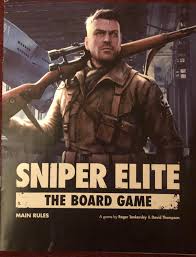
One of Rebellion’s simplest but smartest strategies is naming games in a way that immediately tells players what to expect. Sniper Elite is about being an elite sniper. Zombie Army is about fighting an army of zombies. Alien Deathstorm sounds like a violent sci-fi disaster involving aliens.
This may sound obvious, but it is powerful. When players are scrolling through a crowded digital store, they make quick decisions. A clear title can communicate genre, fantasy, tone, and audience in seconds. If a player likes sniping, zombies, or alien action, the name already does part of the marketing.
Rebellion CEO Jason Kingsley has explained that this kind of clarity matters because the studio does not have the same marketing budget as major companies like Ubisoft or Electronic Arts. If the studio cannot spend enormous money explaining a game, the game must explain itself quickly.
This is a useful lesson for the entire industry. A clever or mysterious title can work, but it also creates risk. If players cannot immediately understand the core fantasy, they may simply move on.
Atomfall Was a Slightly Different Case
Atomfall is less direct than Sniper Elite or Zombie Army, but the name still follows Rebellion’s logic. The studio wanted a title that suggested atomic history, collapse, decay, and danger. The word “Atom” points toward nuclear themes, while “fall” suggests decline, disaster, and a world shaped by consequences.
That makes Atomfall more atmospheric than literal, but still understandable. It gives players a sense of tone before they even watch a trailer. The name sounds historical, dangerous, and slightly post-apocalyptic, which fits the game’s identity.
Atomfall also became a major success for Rebellion, earning recognition and helping the studio win Best British Game at the BAFTA Games Awards. For a self-publishing studio, that kind of achievement can increase visibility, credibility, and player trust.
Controlling Budget and Ambition
Another major part of Rebellion’s strategy is budget control. In modern game development, ambition can become dangerous. Large worlds, advanced visuals, endless systems, cinematic storytelling, live-service support, multiplayer infrastructure, and constant content updates can quickly increase costs.
For independent studios, uncontrolled ambition can be fatal. A game does not need to be the biggest release of the year to succeed. It needs to be focused, polished, and clearly targeted at an audience.
Rebellion’s approach is to understand the core promise of each game and build around it. Sniper Elite does not need to be everything to everyone. It needs to make players feel like expert World War II snipers. Zombie Army needs to deliver cooperative undead chaos. Atomfall needed to sell its alternate-history mystery and survival atmosphere.
This kind of focus helps reduce waste. It also helps marketing because the message is simpler.
The First Two Hours Matter More Than Ever
Modern developers also have to think about refund policies. On Steam, players can usually refund a game if they have played less than two hours and meet the platform’s refund rules. This is excellent for consumers because it lowers purchase risk. But it also creates pressure for developers.
A game must deliver on its promise quickly. If players buy Sniper Elite expecting to shoot enemies from long range and the first hour is slow dialogue with no sniping, they may refund it. The opening needs to confirm that the game they bought is the game they wanted.
That does not mean every game needs nonstop action from the first minute. But it does mean the first two hours must clearly communicate tone, mechanics, and value. Players should understand what makes the game special before they decide whether to keep it.
For Rebellion, this means getting players into the core experience fast. In a Sniper Elite game, players need to sneak, aim, shoot, and feel the satisfaction of the franchise’s signature sniper gameplay early. The game has to prove itself before doubt sets in.
Why Strong Openings Help Smaller Studios
A strong opening does more than prevent refunds. It also helps word of mouth. Players who enjoy the first hour are more likely to keep playing, leave positive reviews, recommend the game, and share clips online.
In a crowded market, word of mouth can be more valuable than traditional advertising. A funny clip, a dramatic kill, a surprising encounter, or a memorable mission can travel across YouTube, TikTok, Reddit, and Discord faster than a paid ad campaign.
Rebellion understands that games need to generate their own momentum. If the core fantasy is clear and the early gameplay is satisfying, players become part of the marketing.
Audience Approval Matters More Than Awards
Atomfall’s BAFTA win was a major milestone for Rebellion, but Kingsley has said the studio does not chase awards as its main goal. Awards are valuable, but they are not the same as audience support.
For a studio that self-publishes, the most important sign of success is players buying the game, enjoying it, recommending it, and saying positive things about it. Industry awards can help with prestige, but a loyal audience helps keep the studio alive.
This is especially true for independent and AA developers. A game can receive critical attention and still fail commercially if it does not reach enough players. Rebellion’s focus on clear concepts and audience satisfaction helps protect against that risk.
The Importance of Self-Publishing
Rebellion’s self-funded, self-publishing model gives it more control than many studios. It can choose its projects, manage budgets, set priorities, and build long-term franchises without relying completely on outside publishers.
However, that independence also increases responsibility. If a game underperforms, the financial pressure lands directly on the studio. There is less room for reckless spending or unclear direction. Every project must be planned carefully.
This is why Rebellion’s strategy is so practical. Clear names, controlled budgets, strong early gameplay, and focused design are not just creative choices. They are survival tools.
What Alien Deathstorm Suggests About Rebellion’s Future
Rebellion’s upcoming Alien Deathstorm continues the studio’s tradition of direct, easy-to-understand titles. The name instantly suggests sci-fi action, danger, and hostile alien forces. Players can guess the tone before seeing much footage.
The game is expected in 2027, and it will likely follow Rebellion’s broader philosophy: a focused premise, clear identity, and gameplay that delivers quickly. The studio has also indicated that fans should not expect generative AI artwork in the project, which may appeal to players concerned about AI use in creative industries.
As gaming audiences become more aware of how games are made, that kind of creative stance can matter. Players increasingly care about development practices, studio transparency, and artistic authenticity.
Lessons Other Game Studios Can Learn
Rebellion’s strategy offers important lessons for developers trying to survive in the modern market. First, make the game’s core idea easy to understand. Second, control budget and ambition. Third, deliver the main fantasy early. Fourth, focus on the audience more than awards. Fifth, build trust through consistency.
These lessons are not glamorous, but they are practical. In a world where thousands of games compete for attention, clarity can be just as important as creativity.
Final Thoughts
Rebellion’s success comes from understanding its place in the gaming industry. It is not trying to outspend the biggest publishers, and it is not trying to act like a tiny experimental indie studio. Instead, it has built a sustainable model around focused ideas, clear branding, controlled ambition, and strong gameplay delivery.
Sniper Elite, Zombie Army, Atomfall, and Alien Deathstorm all show how important it is for a game to communicate quickly and deliver on its promise. In the crowded Steam marketplace, players do not have unlimited patience. They want to know what a game is, why it matters, and whether it respects their time and money.
For Rebellion, the answer is simple: make the fantasy clear, get players into the action fast, and build games that know exactly what they want to be. In today’s crowded video game market, that focus may be one of the strongest survival strategies a studio can have.